The Truth About Black Skin And Sunscreen In Nairobi
September 23, 2025 2025-10-13 15:47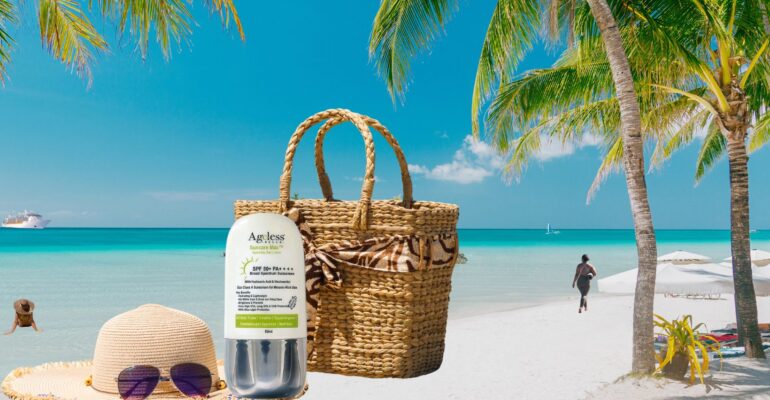
The Truth About Black Skin And Sunscreen In Nairobi
Introduction: Time to Bust the Myth
“Black don’t crack,” we’ve all heard it. Many people believe that because darker skin doesn’t burn easily, sunscreen is optional. But here’s the truth, melanin protects, but not enough.
In Nairobi, where the UV index often reaches very high levels, unprotected skin, regardless of tone, is at risk of damage. And unlike a sunburn, this damage isn’t always visible right away. It shows up later as dark spots, melasma, uneven tone, and premature ageing.
The Myth: Dark Skin Doesn’t Need Sunscreen
Yes, melanin gives some natural UV defence. But it’s barely enough. UVA and UVB rays still.
- Trigger hyperpigmentation that makes dark spots worse.
- Causes collagen breakdown, leading to sagging and wrinkles. Premature ageing.
- It contributes to skin cancer risk, which is often detected late in black skin.
Skipping sunscreen is like skipping a seatbelt because you drive carefully. You’re still at risk.
How Sun Exposure Damages Black Skin
Here’s what actually happens when you step out without SPF 30 and above:
- Hyperpigmentation worsens: Any small mark (acne scar, scratch) can darken.
- Melasma develops: Hormones + UV rays create patchy pigmentation.
- Premature lines appear: UVA rays speed up ageing.
- Cancer risks increase: Though less common, late detection makes outcomes more severe.
👉 Protecting melanin skin isn’t just about avoiding burns, it’s essential for ensuring your skin remains healthy and evenly toned in the long run.
Why Traditional Sunscreens Fail for Darker Skin
For years, most sunscreens were created with lighter skin tones in mind. That’s why people with darker skin often avoid SPF. The formulas don’t feel or look right. Here’s what usually goes wrong
-
The White Cast Problem
We’ve all seen it, applying sunscreen and ending up with a grayish or purple tint on the face. This blends in with other skin tones, but on darker ones, it looks unnatural.
Let’s be real, most people of colour avoid sunscreen because of the white cast. -
Irritation & Breakouts
Some sunscreens are loaded with alcohol, fragrances, or pore-clogging oils. On sensitive or acne-prone black skin, this triggers breakouts.
-
Wrong Shades of “Invisible”
Even “tinted” sunscreens are usually made in one or two shades. These shades don’t match deeper skin, leaving a pink or orange undertone.
That’s why we created Suncare Max SPF 50+ Black Skin Sunscreen:
♥ No white cast, invisible on all tones
♥ Lightweight & breathable
♥ Hydrating with hyaluronic acid and glycerin.
♥ Targets hyperpigmentation with niacinamide
♥ Reef-safe & eco-friendly
It doesn’t just protect, it fits seamlessly into your skincare routine.
Building a Complete Morning Routine
SPF works best when it is part of a complete routine. Think of it as the final lock on the door.
- Cleanse: Remove buildup without stripping.
- Treat: Brighten with our Plant Retinol Oil.
- Moisturize: Hydrate with Radiance Boost Moisturizer.
- Protect: Seal it with Suncare Max™ SPF 50+ sunscreen.
This 4-step combo keeps your skin firm, even, healthy and glowing.
FAQs: Why Melanin Skin Needs Sunscreen
Q: Isn’t melanin enough protection?
A: No. Melanin reduces burning but doesn’t stop long-term UVA damage.
Q: Do I need sunscreen indoors?
A: Yes. UVA penetrates windows, and blue light from screens also triggers pigmentation.
Q: Will it make my skin oily?
A: No. Our formula has niacinamide, which regulates sebum production, and the sunscreen is non-comedogenic.
Conclusion On Sunscreen For African Skin
Your skin is radiant and resilient, but it still needs protection. In Nairobi’s year-round sun, SPF isn’t optional.
✨ Shop Suncare Max SPF 50+ Black Skin Sunscreen for invisible, powerful protection daily.
Get in touch with us if you have any questions about the product.